New Construction Vs Resale Homes In Georgetown
July 23, 2026
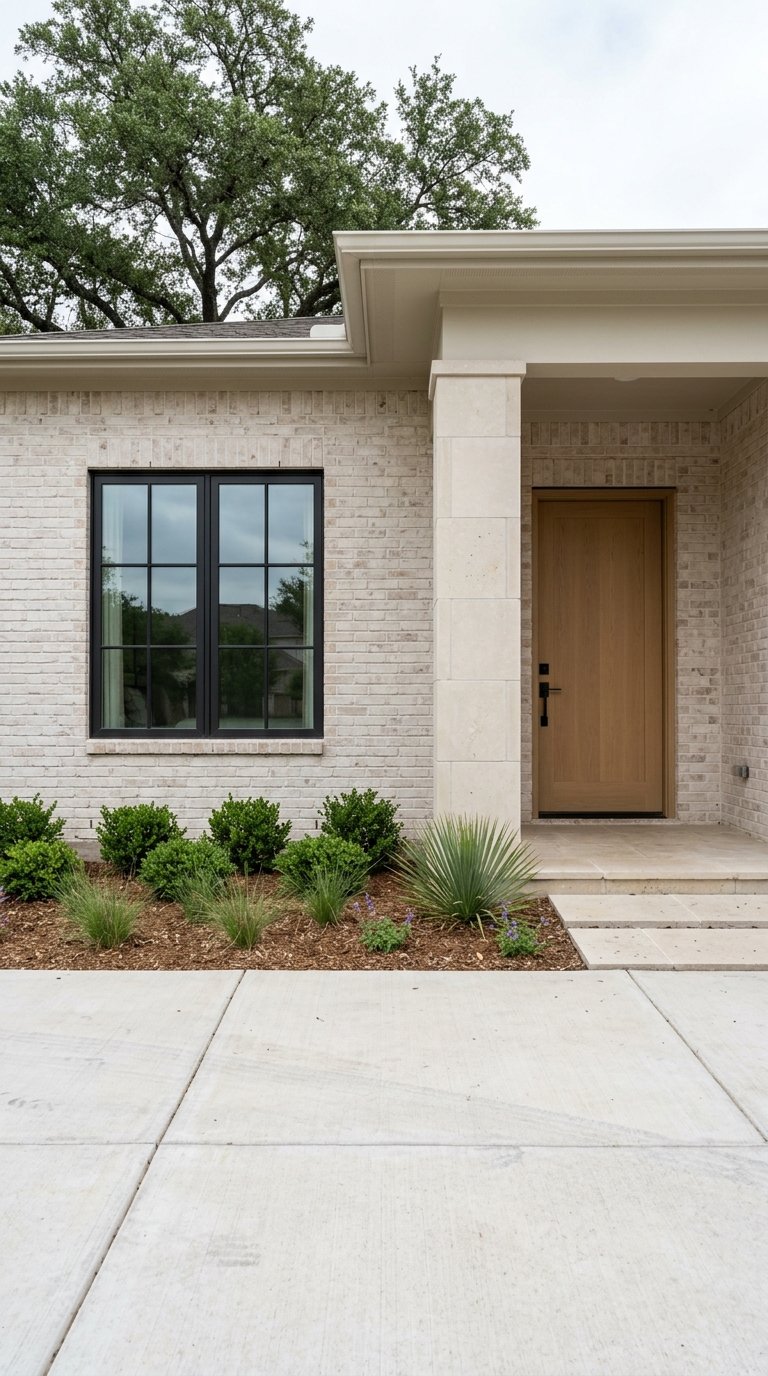
July 23, 2026
Trying to choose between a brand-new home and a resale in Georgetown? You are not alone. Many buyers discover that the price gap is not as wide as they expected, which makes the decision less about cost alone and more about how you want to live, how soon you need to move, and what trade-offs you are comfortable making. This guide will help you compare both paths in Georgetown so you can make a smart, confident choice. Let’s dive in.
Georgetown gives you a real choice between new construction and resale because both are active in similar price ranges. Current market data puts Georgetown resale homes roughly in the low-to-mid $400,000s, depending on the source and whether the number reflects sale price, list price, or average value.
New construction is also widely available. Current data shows hundreds of new homes for sale in Georgetown, with median new-build pricing around the mid $400,000s. In other words, many buyers are comparing two very different ownership experiences within overlapping price bands.
That matters because your decision is often not, “Can I afford Georgetown?” It is more often, “Do I want a newer home in a planned community, or an existing home with more established character, location, or lot variation?”
Georgetown continues to feel new-construction-heavy because there is still meaningful land being developed into large communities. Projects like Parkside on the River and Nolina show how much of the local inventory is shaped by master-planned growth.
For you, that means more builder inventory, more floor plan choices, and more opportunities to find homes with modern layouts and community amenities. It also means that some areas may feel newer and more standardized than older parts of Georgetown.
One of the biggest draws of new construction is simple: everything is new. You are typically getting a newer roof, HVAC, plumbing, electrical systems, and finishes, which can reduce early maintenance surprises.
You are also more likely to find open layouts, current design trends, and energy-conscious construction features. For buyers who want a move-in-ready feel without planning immediate updates, that can be a big advantage.
Georgetown builders often offer two paths: quick move-in homes and homes built from the ground up. If you build from the ground up, you may be able to choose the homesite, floor plan, exterior colors, and interior selections, depending on the builder and the construction stage.
If timing matters more than customization, a quick move-in home may help you get into a new house sooner. This option can work well if you want new construction without waiting through the full build process.
Many Georgetown new homes are located in larger planned communities. These neighborhoods often center around amenities, organized layouts, and a more consistent neighborhood look and feel.
That appeals to buyers who want a more predictable setup and a newer neighborhood experience. It can also make your home search more efficient when you prefer to compare a few builders and communities rather than many different home styles across town.
A new home does not always mean a fast move. According to builder guidance in Georgetown, a build-from-ground-up timeline can average about eight to ten months, with timing affected by permits, inspections, surveys, weather, and material delivery.
That timeline may work well if you can plan ahead. If you need housing on a tighter schedule, resale or a quick move-in new home may be a better fit.
Many buyers hear “builder warranty” and assume all coverage is similar. In Georgetown, that is not the case. Warranty terms vary by builder, and coverage can differ for structural items, mechanical systems, and workmanship.
For example, one builder may offer one structure of coverage while another offers a different package. Before you commit, review the actual warranty documents and compare what is covered, how long it lasts, and what steps are required if an issue comes up.
In Georgetown’s larger new communities, homesite width is often part of the product lineup. You may see choices like 45-foot, 50-foot, 60-foot, 70-foot, or 80-foot homesites, depending on the community.
That gives you options, but it is still different from the wider lot variety often found in resale areas. If mature trees, irregular lots, or a less uniform streetscape matter to you, resale may offer more of what you want.
With new construction, it is important to ask whether the property is in a MUD or another special-purpose district. In Georgetown, MUDs can help fund infrastructure and amenities in developing areas.
You should also understand that new-home contracts are not the same as standard resale contracts in Texas. The paperwork, timelines, and addenda can differ depending on whether the home is under construction, complete but never occupied, or already occupied.
If you need to move sooner, resale often has the edge. Once you find the right home and complete the transaction, you can usually take possession much faster than waiting for a full construction cycle.
That can be especially important if you are relocating, timing a sale and purchase together, or simply do not want months of construction uncertainty.
Resale homes in Georgetown offer a broader range of lot sizes and neighborhood settings. Current inventory examples include smaller in-town lots, quarter-acre-style homesites, and even larger acreage-oriented options.
That variety can matter if you want more outdoor space, more established landscaping, or a home in an older central area. In practical terms, resale often gives you more choices when location character and lot feel are top priorities.
With a resale home, what you see is usually what you get. You can experience the streets, traffic flow, landscaping maturity, and overall rhythm of the area in a more complete way than you can in a still-growing new community.
For some buyers, that added clarity makes decision-making easier. You are not trying to imagine what the neighborhood will feel like after several more phases are built.
The biggest resale trade-off is that you are buying a home with an existing maintenance story. Systems may be older, repairs may have been deferred, and cosmetic updates may be needed sooner than you would like.
That does not make resale a bad choice. It simply means you need to evaluate condition carefully and budget for the reality of owning a home that has already lived a life.
Some resale homes will feel turnkey. Others may need paint, flooring, kitchen updates, or bath improvements before they fully match your style.
If you are comfortable making changes over time, this may not bother you at all. In fact, some buyers prefer the chance to personalize an existing home instead of paying builder pricing for upgrades.
A common mistake is assuming a new home does not need an inspection. In Texas, that is not the case. TREC states that a builder’s quality-control process is not a substitute for an inspection by the buyer’s chosen licensed inspector.
That means you should plan for an independent inspection whether you buy new construction or resale. The goal is not to expect perfection. The goal is to understand the home’s condition, identify issues early, and know what is and is not covered before closing.
This point is easy to miss, especially with new construction. A home warranty is not the same as homeowners insurance.
According to the Texas Department of Insurance, warranties generally address certain wear-and-tear breakdowns, while insurance covers covered losses such as fire or theft. If a builder includes a warranty, make sure you understand how that differs from any insurance policy you will also need.
The right choice usually comes down to your priorities. In Georgetown, both new construction and resale can make sense because they often sit in similar price territory while offering very different benefits.
New construction may be the better fit if you want:
Resale may be the better fit if you want:
If you are still unsure, compare homes by lifestyle first and price second. Tour a few new communities, then tour a few resale neighborhoods that match your budget and commute needs.
Pay close attention to lot feel, timeline, contract terms, inspection needs, and long-term upkeep. In Georgetown, the smartest decision is usually the one that matches how you actually want to live, not just what looks best online.
When you want help weighing lot differences, builder details, resale condition, and the fine print that affects your move, connect with Lesli Ray Etzel.
Stay up to date on the latest real estate trends.
July 23, 2026
July 16, 2026
July 9, 2026
July 2, 2026
June 25, 2026
June 18, 2026
June 11, 2026
June 4, 2026
May 28, 2026
Through her extensive experience, passion and skills in understanding and explaining the purchase or listing transaction, her negotiating skills and ability to stay calm and focused under pressure has proven to be invaluable.