Georgetown Acreage vs In-Town Living: How to Choose
July 16, 2026
July 16, 2026
Wondering whether you should trade a backyard fence for open land, or keep life simple with an address closer to Georgetown’s core? In Georgetown, that choice is more than a style preference. It affects your commute, your utility setup, your maintenance load, and the kind of day-to-day ownership experience you will have. If you are weighing acreage near Georgetown versus in-town living, this guide will help you sort through the real trade-offs so you can choose with confidence. Let’s dive in.
Georgetown’s location makes this an especially local decision. The city’s 2024 community guide lists about a 35-minute drive to downtown Austin and Austin-Bergstrom International Airport, which means your starting point within or around Georgetown can shape your routine in a big way.
If you are considering acreage outside the city core, even a little extra distance can affect your drive time, errands, and how often you head into town. If you prefer quick access to restaurants, shops, or major roads like I-35, in-town living may feel easier from the start.
Another factor is how Georgetown separates city limits from the ETJ, or extraterritorial jurisdiction. According to the city’s development manual, land in the ETJ is outside city limits and not subject to zoning, but subdivision rules still apply, along with city review for items like stormwater, driveway permits, and sign permits.
That is why two homes with the same Georgetown mailing address can come with very different ownership realities. Before you fall in love with a property, it helps to understand where it sits and what rules or utility questions come with it.
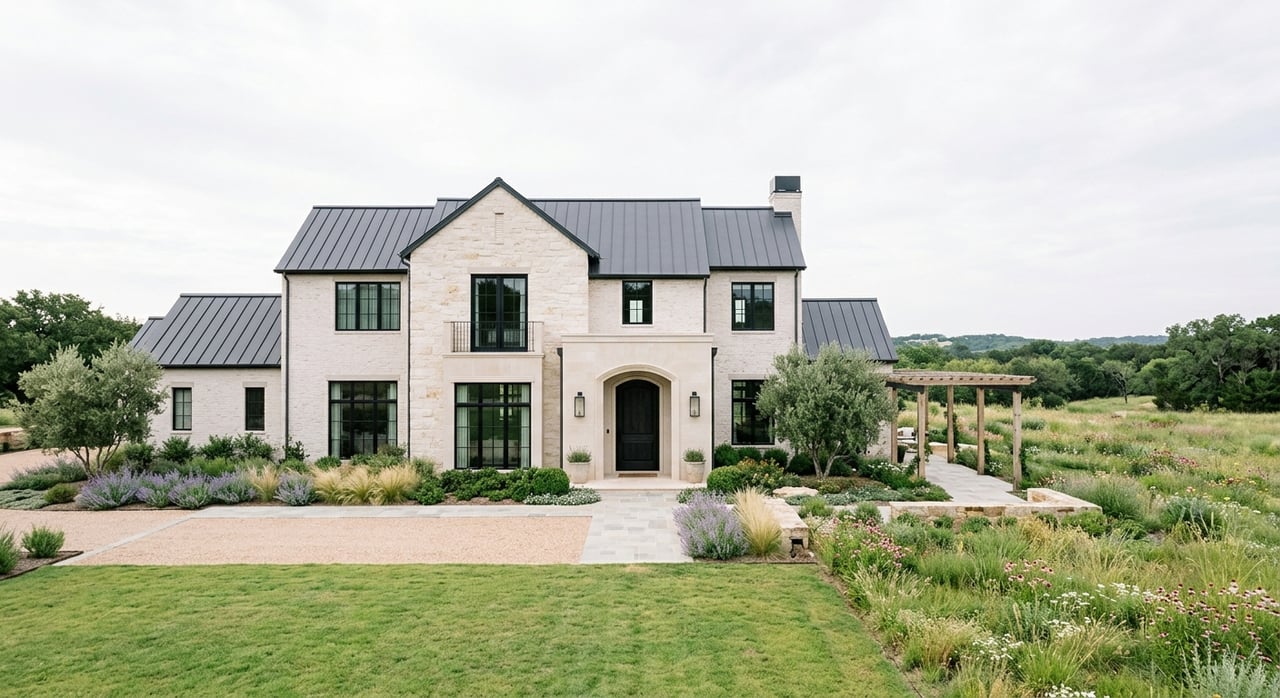
Acreage usually appeals to buyers who want more breathing room, more separation, and more flexibility in how they use their property. If you picture open views, extra room between neighbors, or land for future projects, acreage can be a strong fit.
That extra space often comes with a different kind of ownership experience. In Georgetown, acreage properties are more likely to involve added research into utilities, site conditions, access, and development limitations before closing.
For some buyers, that trade-off is worth it every single day. More land can create a lifestyle that feels quieter, more private, and more connected to the property itself.
One of the biggest differences with acreage is utilities. Georgetown’s public fee schedule dated October 2, 2023 shows that a 3/4-inch water meter connection is $350 inside city limits and $500 outside city limits, while a 4-inch wastewater connection is $300 inside city limits and $450 outside city limits.
Those numbers do not tell the whole story, but they do show that location can change both process and cost. The city’s utility packet for new connections also asks for items like a survey or plot plan, legal description, meter location, and location type, and it distinguishes between properties inside city limits, outside city limits within the ETJ, and outside the ETJ or Western District.
In plain terms, acreage often means more moving parts. That does not make it a bad choice. It just means you will want to evaluate the utility picture early.
Acreage properties are also more likely to rely on an on-site sewage facility, and possibly a private well. The Texas Commission on Environmental Quality says OSSFs must be designed from a site evaluation, and almost all require a permit before construction, repair, or alteration.
TCEQ also states that paid work must be performed by a licensed installer, and some systems require inspections as often as every four months. Septic tanks generally should be pumped every three to five years.
If a property has a private well, there is another layer to understand. The Texas Water Development Board says Texas does not regulate the water quality of private wells, so the well owner is responsible for addressing water-quality problems.
This is where practical land experience really matters. When you buy acreage, you are not just buying square footage. You are often taking on systems that require more oversight and a clearer understanding of the property itself.
With acreage, due diligence is not just a box to check. It is one of the most important parts of the purchase.
Georgetown’s GIS layers can flag water lines, wastewater lines, electric service providers, ETJ boundaries, flood zones, and Edwards Aquifer recharge zones. The city’s development manual also states that development is prohibited in the FEMA 100-year floodplain and floodway.
That means a property can look perfect at first glance but still require a deeper review. If you are buying land or a home on acreage, you want to understand not only what is there today, but also what may affect your plans later.
In-town living usually appeals to buyers who want convenience and a more connected daily routine. If you like the idea of easier errands, shorter drives around town, and a more walkable setting, Georgetown’s core can be a strong option.
The city’s downtown guidelines describe the downtown core as pedestrian-friendly. The public realm is built around sidewalks, canopies, exterior lighting, street furniture, landscaping, and public art, which helps explain why the area feels more connected on foot.
That design focus can shape your everyday experience in a positive way. You may spend less time planning around distance and more time enjoying what is nearby.
Georgetown’s sidewalk inventory tracks conditions such as Good, Substandard, No Sidewalk Present, and Programmed to be Improved or Added. That level of tracking shows how central sidewalk access is to in-town mobility.
For you as a buyer, that can translate into a simpler daily rhythm. Whether you are headed to downtown spots or just value a more compact layout, in-town living can make getting around feel easier.
This is often one of the biggest quality-of-life differences between acreage and in-town homes. You may give up space, but you may gain convenience you use every day.
Downtown Georgetown has a different physical feel than acreage properties. The design guidelines state that buildings in the downtown core are built to the sidewalk edge and side property lines, creating a stronger street wall and a tighter sense of enclosure.
That usually means less physical separation and less privacy than a property with land. At the same time, it can also mean less exterior upkeep and fewer on-site utility questions compared with a more rural setup.
If you want a home base that feels simpler to manage, in-town living often fits that goal well. If you want land to shape and steward, acreage may still be the better match.
The right answer often comes down to how you want to live, not just what looks good online. These four questions can help you narrow the decision.
There is a big difference between wanting acreage and wanting a slightly larger lot. Georgetown’s development manual makes clear that ETJ status, subdivision rules, and review requirements can differ from typical city-neighborhood living.
If your real goal is simply more elbow room, an in-town or near-town property with a larger lot may check the box. If you truly want land for a different lifestyle, acreage may be worth the added complexity.
If you want city utility connections and a more straightforward setup, in-town living may be more appealing. If you are comfortable with septic, well questions, and more property-level oversight, acreage may fit you better.
This is not just about cost. It is also about how hands-on you want your ownership experience to be.
Georgetown’s published baseline of about 35 minutes to downtown Austin is helpful, but your actual route matters. Acreage farther from the city core will generally add time to your routine.
If commute matters to you, test the route at the hour you would actually drive it. A property can feel perfect on a weekend afternoon and very different on a weekday morning.
More land often means more mowing, more access considerations, and more system oversight. In-town living usually concentrates maintenance into a smaller footprint.
Neither option is better across the board. It simply depends on whether you want your property to feel like a simpler home base or a larger hands-on investment in your lifestyle.
In Georgetown, acreage is usually best viewed as a lifestyle choice that brings more land and more ownership complexity. In-town living is usually a convenience choice that brings less land and closer proximity to neighbors, but often a simpler day-to-day routine.
The key is to match the property to the life you actually want to live. If you are drawn to land, you want to go in with clear eyes about utilities, site review, and long-term upkeep. If you are leaning toward in-town living, it helps to think about walkability, access, and how much space you truly need.
That is where local guidance can make all the difference. A buyer looking at both acreage and residential options in Georgetown needs more than a basic home search. You need practical insight into how each property type works in the real world.
If you are comparing acreage near Georgetown with in-town living, Lesli Ray Etzel can help you weigh the land, utility, lifestyle, and location details so you can make the right move for your goals.
Stay up to date on the latest real estate trends.
August 27, 2026
August 20, 2026

August 13, 2026

August 6, 2026

August 6, 2026
July 23, 2026
July 16, 2026
July 9, 2026
July 2, 2026
Through her extensive experience, passion and skills in understanding and explaining the purchase or listing transaction, her negotiating skills and ability to stay calm and focused under pressure has proven to be invaluable.