Austin vs Hill Country Luxury Homes: How to Choose
April 23, 2026
April 23, 2026
If you are torn between a luxury home in the heart of Austin and an estate property in the Hill Country, you are not alone. Both lifestyles can be appealing, but they deliver very different day-to-day experiences. The right choice usually comes down to how you want to live, how much space you need, and how much property oversight you are comfortable managing. Let’s dive in.
At a high level, this decision is about immediacy versus space.
In Central Austin, luxury often means close access to the city’s core destinations. City Council District 9 includes Downtown, Hyde Park, Travis Heights, Bouldin Creek, Mueller, the University of Texas, the Texas Capitol, and Austin’s central business district. You are often buying into convenience, design, and a highly connected lifestyle.
In the Hill Country, luxury tends to shift toward privacy, land, and a more retreat-like setting. Lakeway describes itself as a Hill Country resort community about 25 miles west of downtown Austin, while Bee Cave highlights hills, parks, trees, dining, and retail. That means you may trade some centrality for scenery, elbow room, and more outdoor living potential.
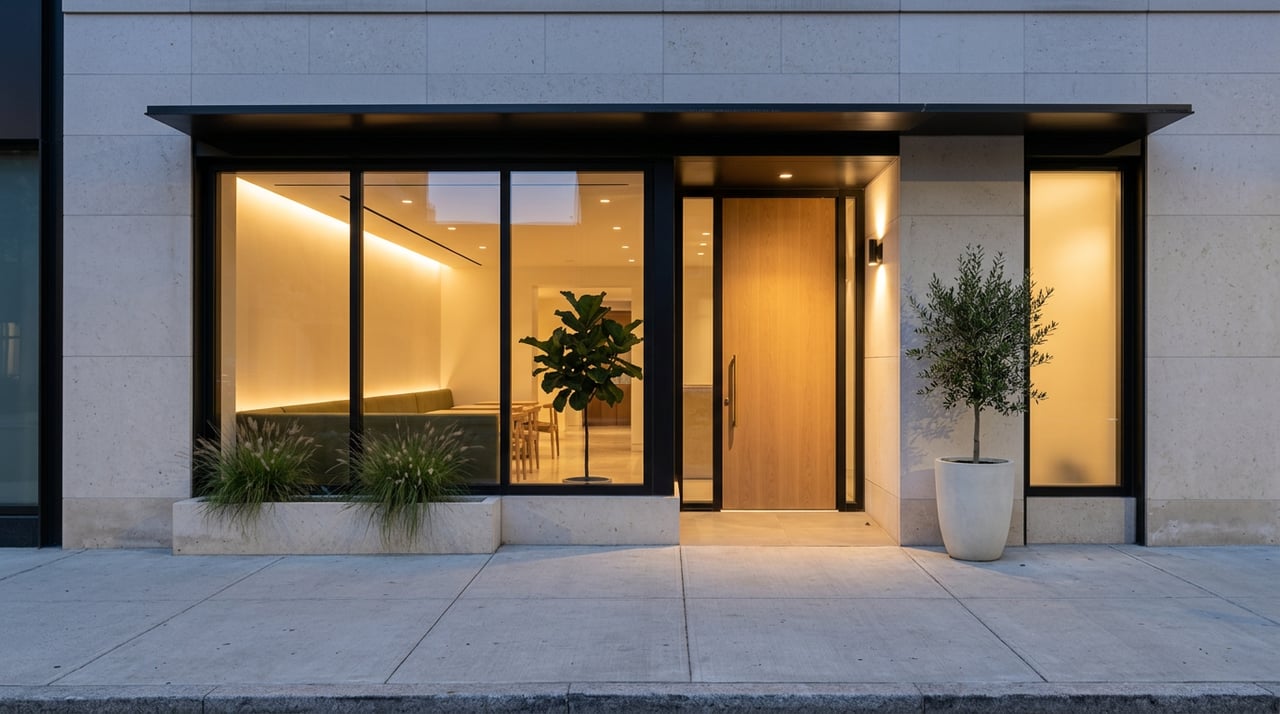
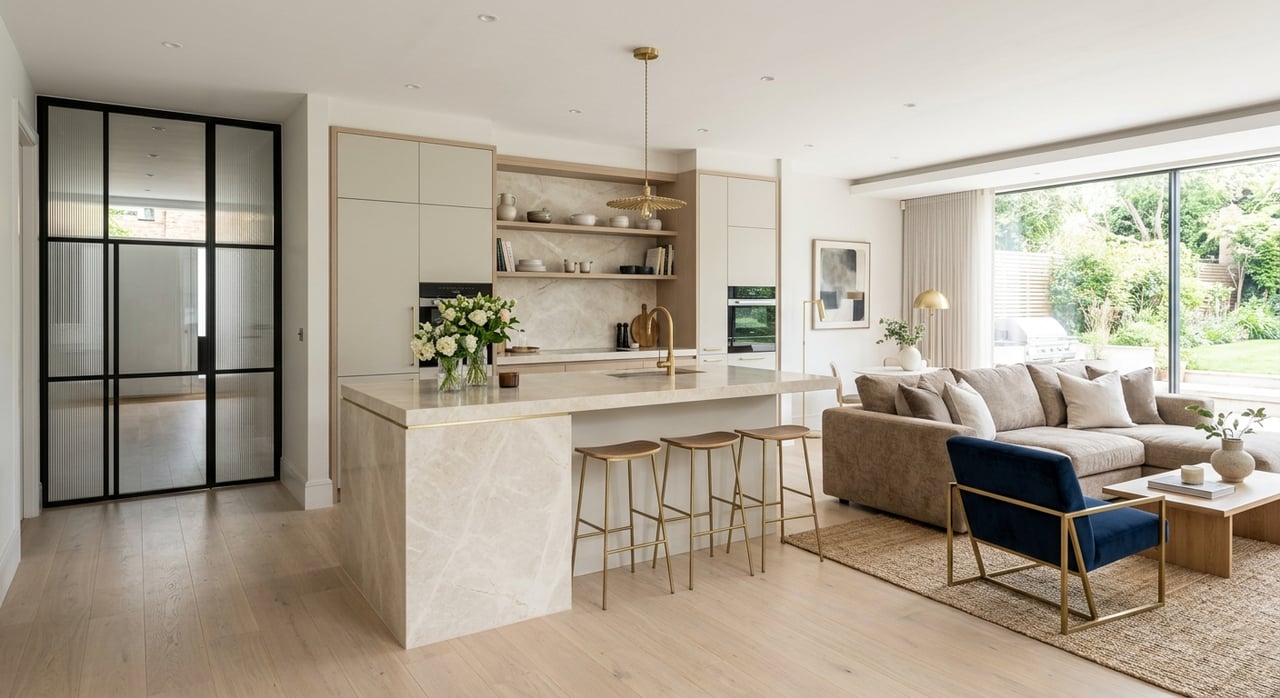
If you picture mornings near the urban core, quick access to dining and entertainment, and a home base close to major employers and city landmarks, Central Austin may feel like the better fit.
A key reason is lot size and land use. Austin’s zoning guide shows residential districts ranging from small-lot zoning at 3,600 square feet to standard lots at 5,750 square feet, large-lot zoning at 10,000 square feet, and rural-residence zoning at one acre. In many central neighborhoods, luxury is tied more to location and architecture than to large acreage.
That often means a Central Austin luxury purchase is about being close to what matters to you. It can also mean enjoying some of Austin’s best-known public amenities, such as the Ann and Roy Butler Hike-and-Bike Trail and Barton Springs, which sit near the city’s core.
In older parts of Austin, neighborhood context matters. The city uses tools such as historic districts, neighborhood conservation combining districts, downtown overlays, and waterfront overlays to help preserve area character and manage transitions. That can be a benefit if you value consistency and long-term neighborhood identity.
It can also mean more review before making changes. Austin also has rules around tree impacts, and the city notes that many residential properties need permits for removing or pruning trees when the work affects 25% or more of a tree’s canopy. If you want a highly tailored home in a central setting, it helps to understand those layers early.
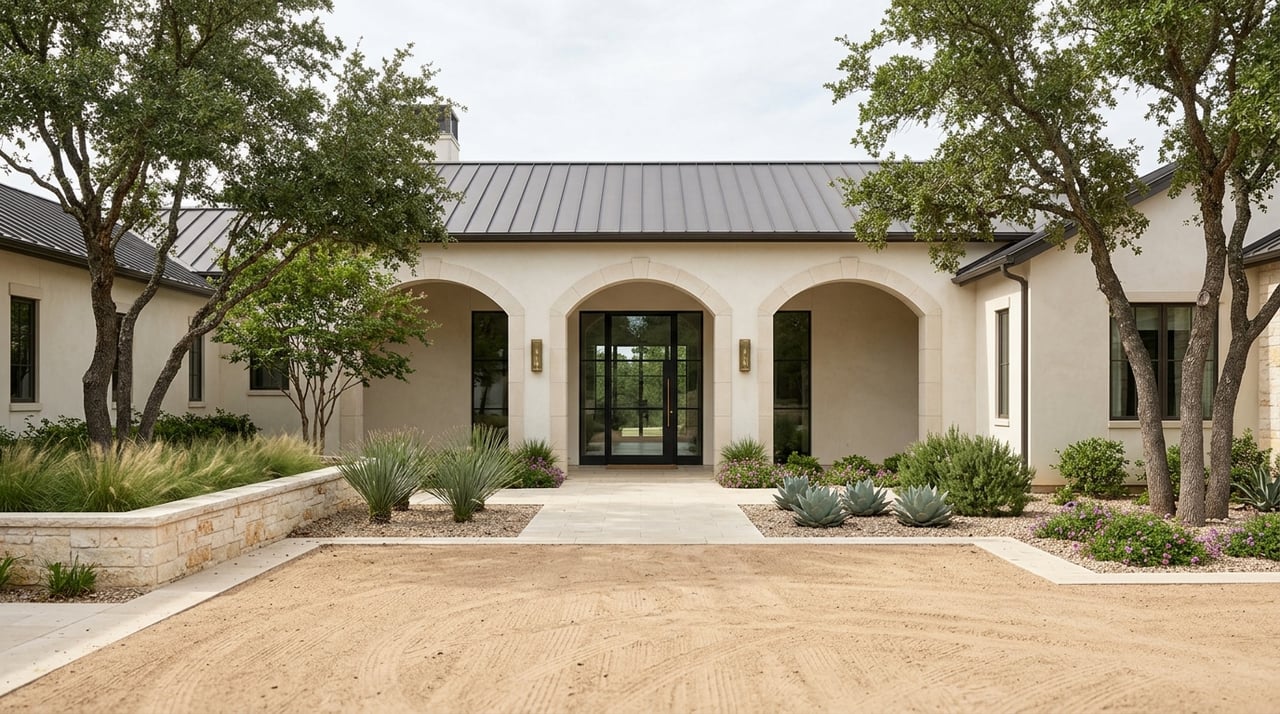
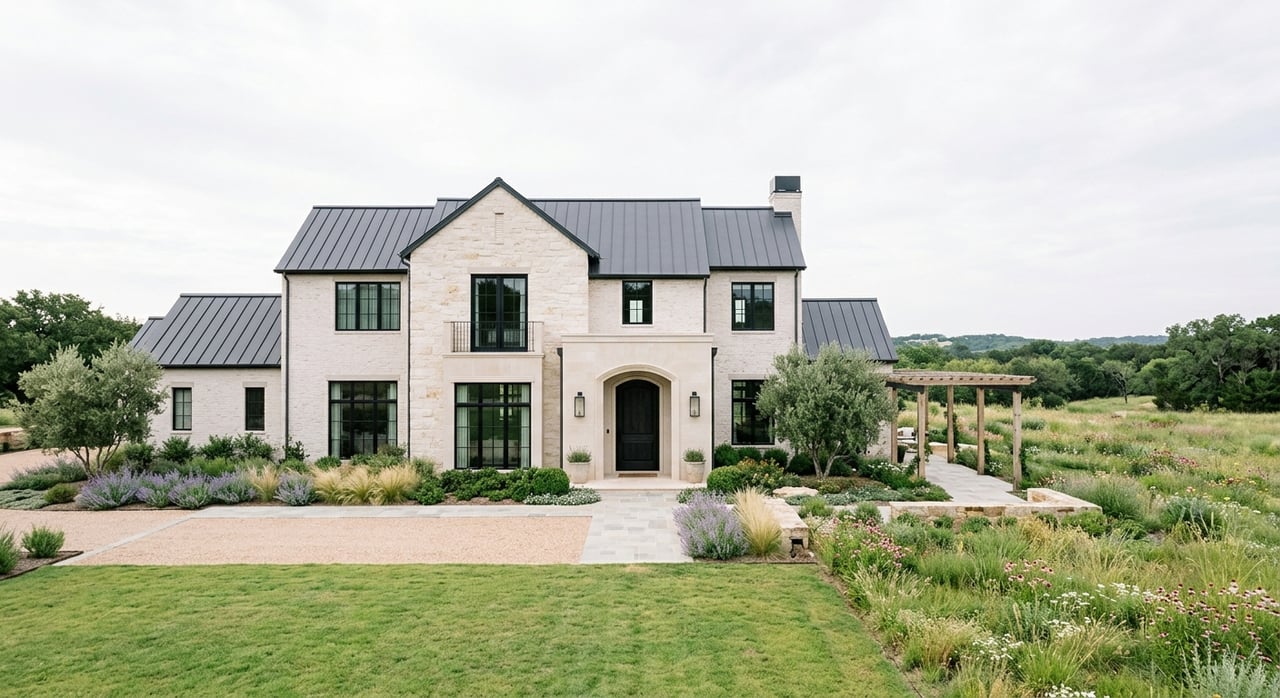
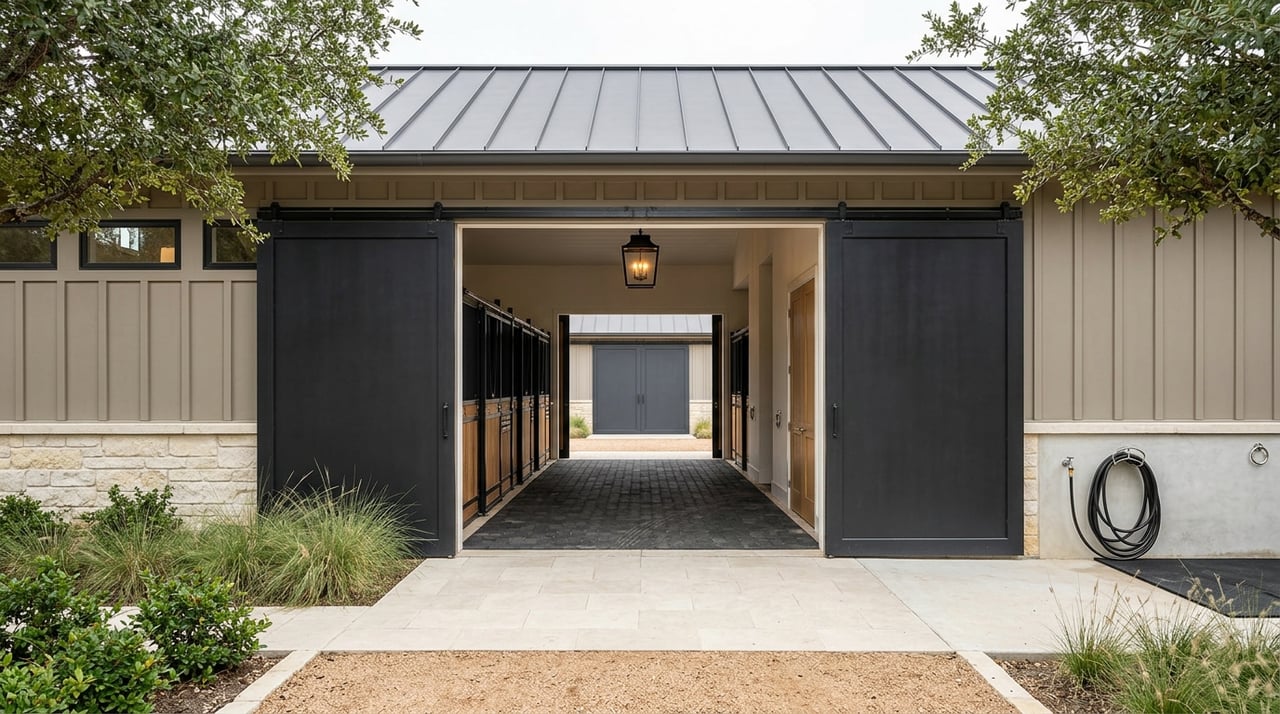
If your version of luxury includes long views, more land, and room for outdoor features, the Hill Country may be closer to what you want.
This category is broader than many buyers first realize. Some buyers say they want “Hill Country” when they really mean a quieter neighborhood with more space. Others want a resort-style community with amenities and services. Still others are looking for true acreage where the property itself becomes part of the lifestyle.
That distinction matters because not every Hill Country property functions the same way.
Communities like Lakeway and Bee Cave can offer a middle ground. According to Lakeway’s city description, the area features golf courses, marinas, trails, greenbelts, and full-service city structure. Bee Cave emphasizes parks, trees, retail, dining, and events.
For many buyers, this is the sweet spot. You may get more space and a scenic setting while still benefiting from a more established municipal framework. That can feel very different from owning a true rural estate outside city limits.
If you are drawn to a more private estate setting, you also need to think about the practical side of ownership. Outside corporate city limits, Travis County’s septic permit requirements show how much site planning can matter. Applications may involve wells, onsite sewage facilities, slopes, floodplain conditions, drainage features, and driveway locations.
That does not make acreage ownership a bad choice. It simply means the experience is more hands-on. If you want room for gates, pools, outdoor kitchens, guest casitas, barns, or hobby structures, the tradeoff is often a greater maintenance and due diligence burden.
Privacy is one of the biggest reasons buyers lean toward the Hill Country, but it helps to define what privacy actually means to you.
In Central Austin, privacy often comes from lot orientation, mature landscaping, fencing, and neighborhood layout rather than from distance between homes. Austin’s tree canopy and established streetscapes can create a tucked-away feel even in more central areas.
In Hill Country settings, privacy is more often tied to land itself. A larger parcel can create more separation from neighbors and more flexibility for how the home sits on the property. If your ideal luxury experience includes a longer drive in, broader views, or more independent outdoor uses, acreage may align better with your goals.
Lifestyle is not just about the house. It is also about how often you need to get where you are going.
If your week revolves around Downtown Austin, UT, the Capitol, or central business activity, living closer in may save you time and simplify your routine. District 9 includes many of those destinations, which is why Central Austin can be so attractive for buyers who want daily convenience.
If you work remotely, travel less often into the city, or prefer a more destination-style home life, the Hill Country may be worth the extra drive. Lakeway’s official materials place the city about 25 miles west of downtown Austin, which helps frame the distance question in practical terms.
A useful reminder is that “more space” does not always mean fully rural. The Georgetown community guide notes that Georgetown is just north of Austin and lists 35 minutes to downtown Austin, while maintaining its own identity. That reinforces the idea that there is a spectrum between urban core living and large-lot retreat living.
Before you decide, it helps to think beyond aesthetics and compare what ownership may actually involve.
| Focus Area | Central Austin Luxury | Hill Country Estate |
|---|---|---|
| Primary value | Location, design, city access | Space, privacy, outdoor lifestyle |
| Lot profile | Often smaller or more compact | Often larger with more site flexibility |
| Oversight | Zoning, overlays, tree rules, right-of-way upkeep | Wells, septic, drainage, slopes, driveways |
| Daily rhythm | More connected to city destinations | More retreat-oriented |
| Maintenance style | Home systems and city compliance | Land systems and property management |
This is where experience matters. A polished luxury home in Austin and a well-positioned Hill Country estate can both be excellent choices, but they require different lenses during your search.
The clearest path usually comes from answering a few practical questions honestly.
If being close to Austin’s core is a top priority, Central Austin may make more sense. If land, privacy, and a slower setting matter more, the Hill Country may be the stronger fit.
Some buyers want energy, walkable access, and proximity to major destinations. Others want the home itself to feel like the destination.
If you are considering true acreage, be ready to evaluate wells, septic systems, drainage, and access. The Texas Water Development Board recommends asking for the well report when buying a home with a private water well, and Texas A&M AgriLife advises routine well and septic maintenance.
Central Austin can support beautiful outdoor spaces, but tighter lot standards and city rules can shape what is possible. Larger Hill Country properties may allow more flexibility for outdoor living and accessory structures, depending on the site and local requirements.
The truth is, this is not really a battle between “better” and “worse.” It is a question of fit.
If luxury means being near Austin’s cultural core, established neighborhoods, and everyday convenience, a city property may serve you best. If luxury means room to spread out, a quieter setting, and a property that supports more outdoor living, a Hill Country estate may be the better answer.
For many buyers, the smartest move is to stop treating Hill Country as one single category. There is a meaningful difference between urban luxury, a managed Hill Country community, and a true acreage estate. When you define that clearly, your home search gets much easier.
Whether you are weighing a refined Austin address or a more expansive Hill Country lifestyle, working with someone who understands both luxury homes and the practical realities of land can help you make a confident decision. If you want help sorting through the tradeoffs, connect with Lesli Ray Etzel for personalized guidance on the Austin-area luxury and land market.
Stay up to date on the latest real estate trends.
August 20, 2026
August 13, 2026
August 6, 2026
August 6, 2026
July 23, 2026
July 16, 2026
July 9, 2026
July 2, 2026
June 25, 2026
Through her extensive experience, passion and skills in understanding and explaining the purchase or listing transaction, her negotiating skills and ability to stay calm and focused under pressure has proven to be invaluable.