How Dallas Land Values Shape New Construction Choices
April 16, 2026
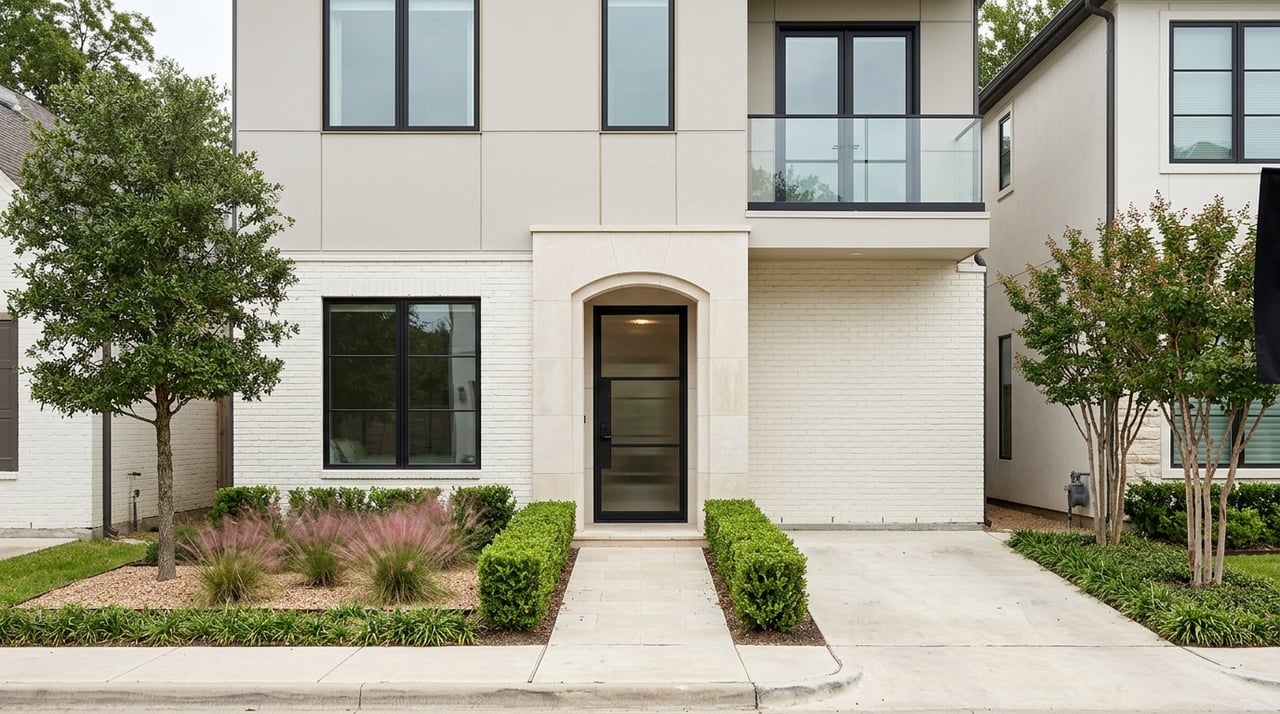
April 16, 2026
If you have looked at new construction in Dallas lately and wondered why the homes seem tighter on land, more design-forward, or priced above nearby resale options, the answer often starts with the dirt under the house. In Dallas, land is one of the biggest forces shaping what builders can deliver, especially in close-in areas where developable sites are harder to find. When you understand how rising land values affect lot size, home design, and pricing, you can make a smarter choice between new construction and resale. Let’s dive in.
In Dallas, new construction is not just about materials, labor, or builder demand. It is also about how much usable land is left and what that land allows a builder to create.
According to HUD’s Dallas-Plano-Irving housing market analysis, the Dallas County submarket has significantly less developable land than other submarkets in the metro area. The same report notes that many new homes within the city of Dallas are built on infill lots by smaller custom builders rather than by large national builders.
That matters because infill building usually works differently than building in a large master-planned area. Instead of starting with wide-open land, builders may be working with smaller parcels, older lots, or scattered sites where every square foot has to count.
When land gets more expensive, builders have to protect the final sales price while still delivering a home buyers want. That often changes the product itself.
In practical terms, higher land values can lead to:
This does not mean every new home is small or attached. It means the balance between lot size, location, and house quality becomes more important as land costs rise.
Dallas zoning plays a big role in how land value shows up in new construction. The city’s residential zoning guide lists single-family districts with minimum lot sizes that include 5,000 square feet, 7,500 square feet, 10,000 square feet, 13,000 square feet, and 16,000 square feet.
That means two homes in different parts of Dallas may face very different land requirements before a builder ever draws the floor plan. A Texas Tribune analysis of Dallas land-use rules highlighted that a detached single-family home in some parts of southern Dallas may need at least 5,000 square feet of land, while parts of North Dallas may require 10,000 square feet.
When land values rise in areas with larger lot requirements, the pressure on the final home price can increase quickly. In many cases, that helps explain why newer homes in premium locations may offer less yard space but more updated finishes and more efficient use of interior square footage.
Dallas has also added more flexibility in some situations. The city’s September 2025 SB 15 information sheet says qualifying unplatted tracts can be subdivided into lots as small as 3,000 square feet, or the minimum lot size allowed by the underlying zoning district, whichever is less.
That kind of rule change can support more small-lot development. In a market where land is limited, policies like this can influence the type of homes and density buyers see in future inventory.
Because Dallas has less developable land in the county submarket, infill construction plays a larger role. The City of Dallas 2024-29 Consolidated Plan points to underutilized infill lots and also notes that the housing market has rapidly grown less affordable.
For you as a buyer, infill often means a different tradeoff than suburban edge development. You may get a closer-in location and a newer home, but on a smaller homesite or with a more vertical design.
For you as a seller, this can create opportunity too. If your property sits on a lot with redevelopment appeal, land value may matter almost as much as the house itself depending on the location, zoning, and surrounding pattern of development.
Dallas has improved its permit process, which is good news for builders and for buyers waiting on completion timelines. The city’s permit performance summary reported 2,051 residential new-home plan-review submittals year to date and an average initial review time of 7 days for residential new homes and additions.
An earlier city update reported that average turnaround time for new residential permitting fell from 78 days in 2021 to 4 days in 2024, with 191 new single-family permits issued in February 2024. Faster approvals can reduce delay-related costs for builders.
Still, permit speed does not create more land. It can improve the process, but it does not erase the pressure created by limited buildable lots in desirable parts of Dallas.
Land economics are easier to understand when you compare new construction to resale. HUD reports an average new-home sales price of $481,200 in the Dallas County submarket as of July 1, 2024.
On the resale side, Redfin’s Dallas housing market page showed a February 2026 median sale price of $410,000, down 1.7% year over year. These are not identical measurements, but they help explain why many new homes in Dallas need to justify a higher price through location, finishes, or efficient design rather than simply offering a bigger lot.
If you are choosing between new construction and resale in Dallas, you are often comparing more than age and condition. You are weighing:
In many established areas, resale homes may offer larger lots because they were built under older neighborhood patterns or different zoning expectations. New homes, by contrast, may offer newer systems and finishes but on tighter sites.
You can see this pattern in active Dallas-area examples. In Las Colinas, The Residences markets luxury golf villas with one-story, elevator-accessible residences and high-end finishes. In Irving, a Dallas-area David Weekley release for Parkside described homes from the $400s with 2,100 to 3,200 square feet on 35-foot homesites.
These examples do not represent every project in Dallas, but they show a broader trend. When land is premium and close-in, builders often respond with narrower lots, curated finishes, and housing types designed to make the most of the site.
The broader Dallas-Plano-Irving market also shows that land itself can be expensive and volatile. The NTREIS June 2025 MLS summary reported a single-family median sale price of $430,000 and an average price of $565,512.
In that same report, the land category showed an average sale price of $495,020, a median of $135,000, and 17.1 months of inventory. The February 2025 NTREIS report showed even higher land pricing, with an average of $685,772 and median of $197,500. The report also notes that builder and non-NTREIS sales are not included, so it is only a partial view, but it still supports the idea that land pricing can be uneven and significant.
If you are shopping for a home in Dallas, it helps to think beyond the simple question of new versus old. A better question is: What mix of land, location, and home quality fits your goals best?
A new home may give you updated materials, modern layouts, and lower near-term maintenance. A resale home may give you a larger lot, a more established setting, or a different value equation.
If you are selling, understanding land value trends can also help shape pricing and marketing strategy. In some cases, the site itself may be a key part of what makes your property attractive in today’s market.
Dallas land values are not just a background story. They actively shape what gets built, how it is priced, and what choices you see on the market. If you want help weighing a new build against resale, or understanding whether your lot or home has added land-driven value, Lesli Ray Etzel can help you look at the numbers and the real-world tradeoffs with a practical Texas perspective.
Stay up to date on the latest real estate trends.
August 27, 2026
August 20, 2026
August 13, 2026
August 6, 2026
August 6, 2026
July 23, 2026
July 16, 2026
July 9, 2026
July 2, 2026
Through her extensive experience, passion and skills in understanding and explaining the purchase or listing transaction, her negotiating skills and ability to stay calm and focused under pressure has proven to be invaluable.