Georgetown TX Ag Exemption Basics for Acreage Buyers
May 14, 2026
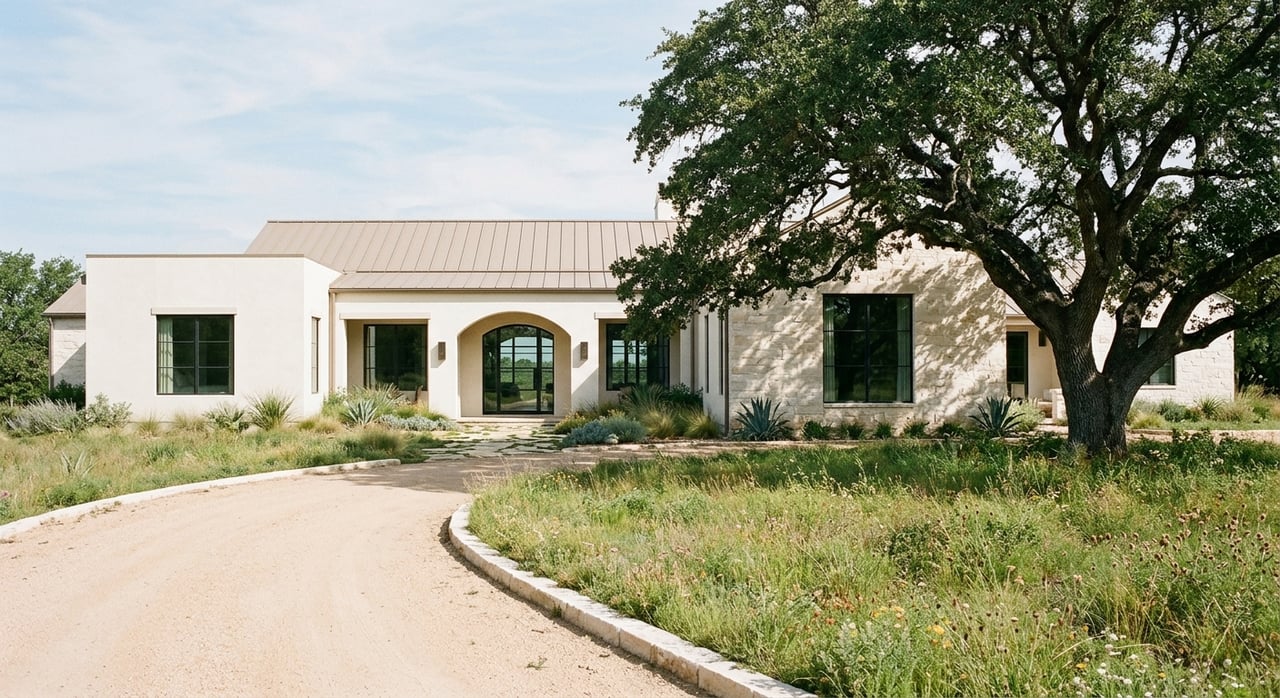
May 14, 2026
Wondering whether a Georgetown-area acreage already has an “ag exemption” and whether it will stay in place after closing? You are not alone. This is one of the most misunderstood parts of buying or owning land in Williamson County, and the details can affect your carrying costs in a big way. The good news is that once you understand how the rules work locally, you can ask smarter questions, avoid surprises, and plan with more confidence. Let’s dive in.
In Texas, what many people call an ag exemption is usually not a true exemption from property taxes. Instead, it is a special appraisal based on the land’s productive value, which means the land is valued according to its ability to produce agricultural products rather than typical market value.
That distinction matters if you are buying acreage near Georgetown. A lower tax valuation can be tied to how the land is being used, but it is not automatic, permanent, or guaranteed just because a seller says the property has an ag exemption today.
In Williamson County, the Williamson Central Appraisal District, or WCAD, applies state law along with local degree-of-intensity standards. In plain terms, that means the county looks at whether the land is truly being used for qualifying agricultural purposes at a level that meets local expectations.
Williamson County follows Texas law, but WCAD sets local standards for what qualifies in practice. That is especially important around Georgetown, where acreage can vary widely in size, terrain, location, and current use.
WCAD also makes a key point that catches many buyers off guard: only the acreage actually used for agricultural operations may qualify. Homes, barns, and other improvements are appraised separately at market value. If there is a residence on the property, WCAD generally assigns at least one acre to residential use, and sometimes more depending on the facts.
For you as a buyer or owner, the practical takeaway is simple. Do not assume the current tax treatment applies to every acre or every structure on the property.
WCAD recognizes several agricultural uses that may qualify for special valuation. These can include:
One helpful point for landowners is that agriculture does not have to be your primary job or primary source of income. What matters is whether the land is genuinely devoted to a qualifying agricultural use and meets county standards.
If you are looking at pastureland near Georgetown, livestock standards deserve a close look. WCAD uses animal units, and the county minimum is two animal units.
The acreage expectations also vary depending on whether the land is east or west of IH-35 and whether the pasture is improved or native. According to WCAD’s county guidance, typical minimums for grazing stock are:
This is one reason a quick online assumption can lead you in the wrong direction. Two properties with similar acreage near Georgetown may not be treated the same if their location, pasture type, or use history is different.
Some acreage owners are interested in nontraditional qualifying uses, especially beekeeping or wildlife management. These can work, but the rules are specific.
In Williamson County, beekeeping is its own qualifying use. WCAD says land from 5 to 20 acres can qualify, with a minimum of 6 hives on the first 5 acres and 1 additional hive for each additional 2 acres.
WCAD also says each owner must have qualifying acres. Neighboring tracts cannot simply be combined for beekeeping qualification, which is an important detail for buyers looking at smaller adjacent parcels.
Wildlife management can also qualify, but only if the land already qualified as open-space agricultural land or timberland before the conversion. The owner must file a wildlife management plan, actively manage indigenous wildlife, and complete at least three qualifying wildlife practices each year.
Examples of those practices can include habitat control, erosion control, predator control, supplemental water, supplemental food, shelter, or census counts. If you are planning to shift from traditional ag use to wildlife management, it is smart to confirm the property’s history before you make that move.
A lot of confusion comes from activities that feel rural or agricultural but do not qualify when they are the tract’s primary use. WCAD specifically notes several examples.
These may not qualify as the primary use of the tract:
WCAD also says wild deer grazing on natural vegetation is not agricultural use. That means owning scenic land with wildlife on it is not the same as meeting open-space valuation standards.
Yes, in some cases it can. Land inside a city or town may still qualify, but it must meet extra conditions under WCAD guidance.
The land must either not receive city services comparable to other parts of the city, or it must have been devoted principally to agricultural use continuously for the preceding five years. This matters for buyers looking at edge-of-town acreage around Georgetown where city boundaries and future growth may affect long-term plans.
This is one of the most important points for buyers. WCAD says agricultural valuation is tied to specific legal ownership and automatically terminates when ownership changes.
That means a new owner must file a new application to maintain the valuation. If you are under contract on acreage, it is wise to verify the property’s current status, ask for supporting records, and understand what you will need to do after closing.
In other words, the ag valuation does not simply ride along with the deed because the seller had it in place.
WCAD places the burden of proof on the landowner. The land must be currently devoted to agricultural use and in qualifying use for the majority of the year.
Helpful records can include:
WCAD also notes that a lease by itself is not enough without supporting evidence. If you are buying land with leased grazing, hay production, or another ag use, ask for documentation early rather than waiting until the appraisal deadline is close.
The filing window matters. WCAD says the 1-d-1 application must be filed between January 1 and April 30, and the online application is available from January 4 through April 30.
A new application is also required when there is a change in ownership, a change in use, or when the chief appraiser requests an updated filing. Missing the timing can create unnecessary stress, especially if you are trying to preserve an existing valuation after a purchase.
Texas and Williamson County do not look only at what you plan to do next. They also look at the land’s history.
WCAD’s county manual says open-space valuation uses a rolling five-year production lookback, and the county’s time test requires five of the last seven years outside incorporated city limits or five continuous years inside city limits. So if you are buying raw acreage with hopes of qualifying in the future, intent alone is not enough.
This is where long-range planning matters. If you want to subdivide, add a homesite, shift from livestock to bees, or move into wildlife management later, you need to understand how those changes may affect the valuation.
If land stops qualifying and changes to a non-agricultural use, the owner may owe rollback tax for the prior three years, with some exceptions. That is a major reason buyers and sellers should discuss future land use before closing, not after.
You should also remember that homes, barns, and other improvements are taxed separately at market value, and WCAD generally removes at least one acre for a homesite when a residence is present. So even on land that qualifies, not every part of the property is treated the same for tax purposes.
If you are shopping for land, a little due diligence up front can save you a lot of frustration later. Before you close, consider confirming:
If you are planning to change the use after purchase, that is the time to talk with a Texas tax professional. That is especially true if your plans include subdividing, adding a homesite, or switching from traditional agriculture to beekeeping or wildlife management.
Acreage purchases can be incredibly rewarding, but they come with details that are easy to miss if you have only bought residential property before. Having local guidance can make the process a lot smoother.
When you are buying or selling land near Georgetown, you want more than generic advice. You want someone who understands how rural property decisions connect to real transaction strategy, land use, and long-term value. If you are weighing acreage options or preparing to list land, connect with Lesli Ray Etzel for practical guidance tailored to your goals.
Stay up to date on the latest real estate trends.
August 27, 2026
August 20, 2026

August 13, 2026
August 6, 2026
August 6, 2026
July 23, 2026
July 16, 2026
July 9, 2026
July 2, 2026
Through her extensive experience, passion and skills in understanding and explaining the purchase or listing transaction, her negotiating skills and ability to stay calm and focused under pressure has proven to be invaluable.